
A Glimpse into the World of Snow Leopards
Snow leopards, often referred to as the “ghosts of the mountains,” inhabit the rugged and cold expanse of the Himalayas.
These elusive creatures have evolved to thrive in harsh, high-altitude environments ranging from 9,800 to 14,800 feet.
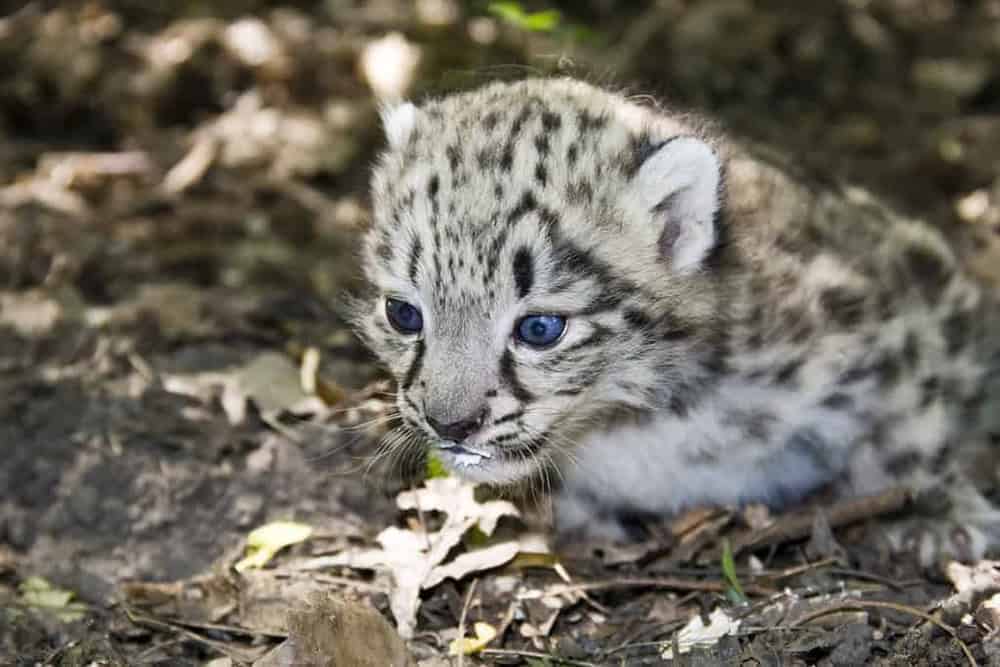
While adult snow leopards are a rare sight, their newborn cubs are just as captivating. Let’s discover more about these tiny survivors and some adorable moments captured in photos.
The Early Days of Snow Leopard Cubs
At birth, snow leopard cubs are tiny, weighing about one pound. They are born blind and helpless, relying entirely on their mother for warmth and nourishment.

Around a week after birth, their eyes begin to open, and by five weeks, they can start walking. However, they stay close to their den for the first two to three months, with their mother carefully guarding them.
The Snow Leopard’s Harsh Habitat
Found in remote regions of South and Central Asia, snow leopards live in steep, rocky landscapes where temperatures can drop drastically.
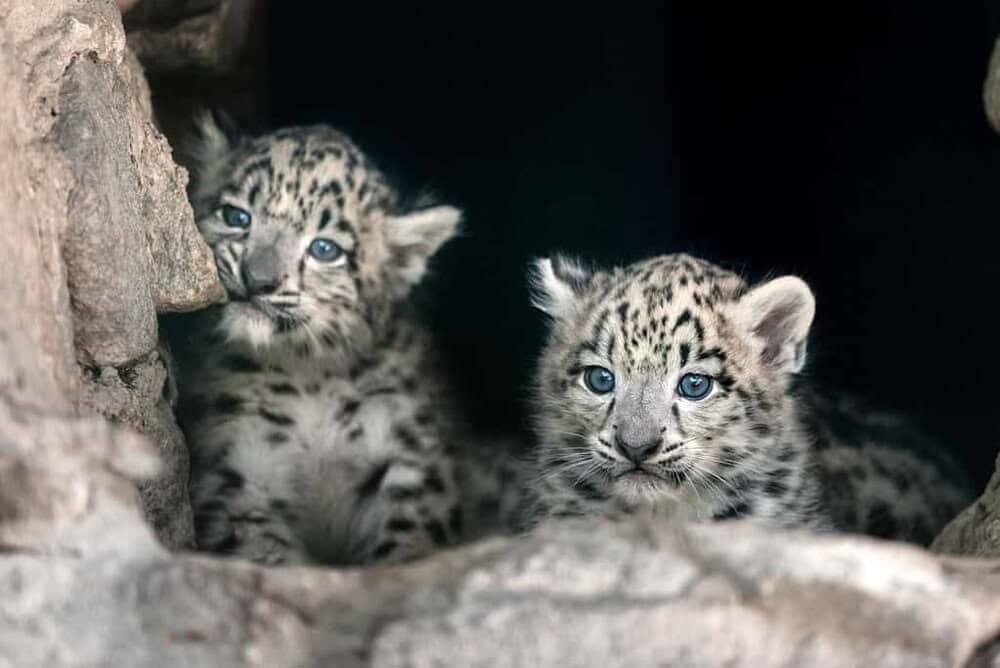
The cubs are born with thick fur coats that protect them from the extreme cold. Snow leopards mate in late winter or early spring, and after a gestation period of 90 to 100 days, the mother gives birth to two or three cubs, usually between April and July.
The Role of the Mother
A snow leopard mother’s role is vital to her cubs’ survival. After mating, she gives birth in secluded dens, away from the dangers of the outside world.
Despite their expansive territories, female snow leopards limit their movements to smaller areas during this time to safeguard their young.
As the cubs grow, they begin to venture out of the den, learning essential survival skills like hunting and navigating their tough terrain. By six months, they join their mothers on hunting trips.
Perfectly Adapted to the Cold
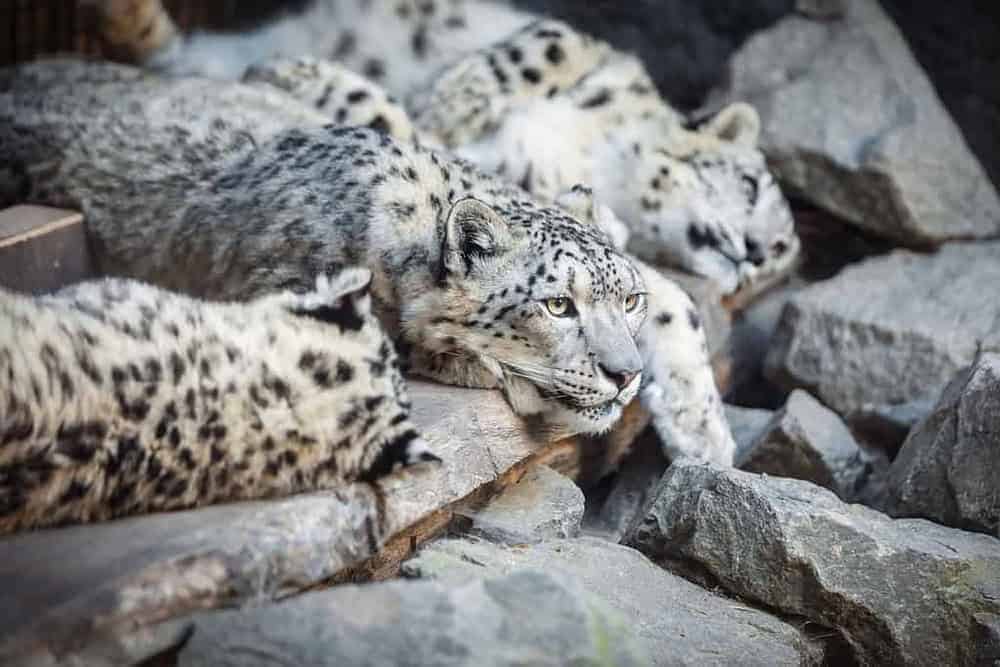
Snow leopard cubs are well-equipped for survival in their challenging environment. Their thick, spotted fur provides excellent camouflage against the rocky mountains, while their small, rounded ears help conserve body heat.
Additionally, their broad paws are covered with fur underneath, giving them better traction in snowy conditions. These adaptations help them thrive in one of the most unforgiving habitats on earth.


Read more Wildlife News.