
A distressed baby elephant, trapped in a wire crate after being forcibly separated from its mother, begins its journey from Zimbabwe to lifelong captivity in a foreign zoo.
Kicked and restrained, the five-year-old struggles in vain as tranquilizers leave it groggy and helpless.
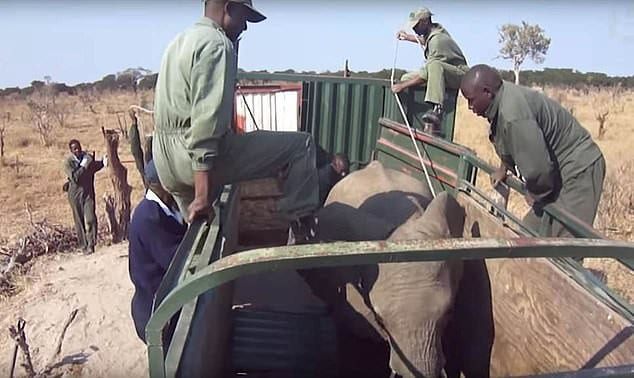
This heartbreaking scene, captured at Zimbabwe’s Hwange National Park last year, highlights a growing controversy: should African nations be free to manage and sell their wildlife, or should they follow Western conservationists’ calls to keep animals like elephants in their natural habitats?
Next week, this debate will take center stage at Switzerland’s Convention on International Trade in Endangered Species (CITES).
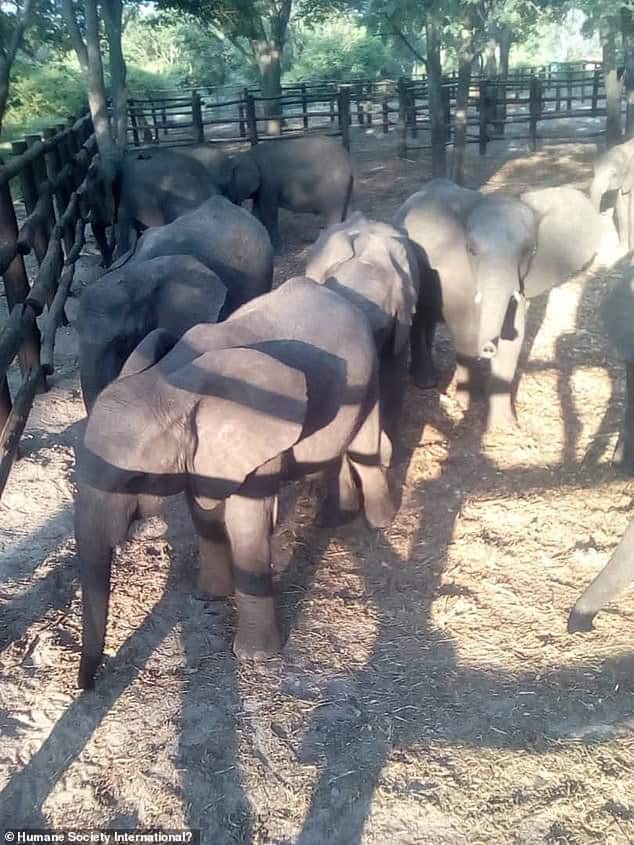
At the heart of the discussion is whether countries like Zimbabwe should continue to sell elephants to nations like China and Dubai or adhere to restrictions urged by the West.
Zimbabwe, facing severe economic challenges, has profited from selling elephants. Over the past few years, the country has earned £2.2 million from selling 97 elephants, including the young female now en route to China.
Each sale can bring up to £34,000—an essential source of revenue for a nation where many depend on food aid.
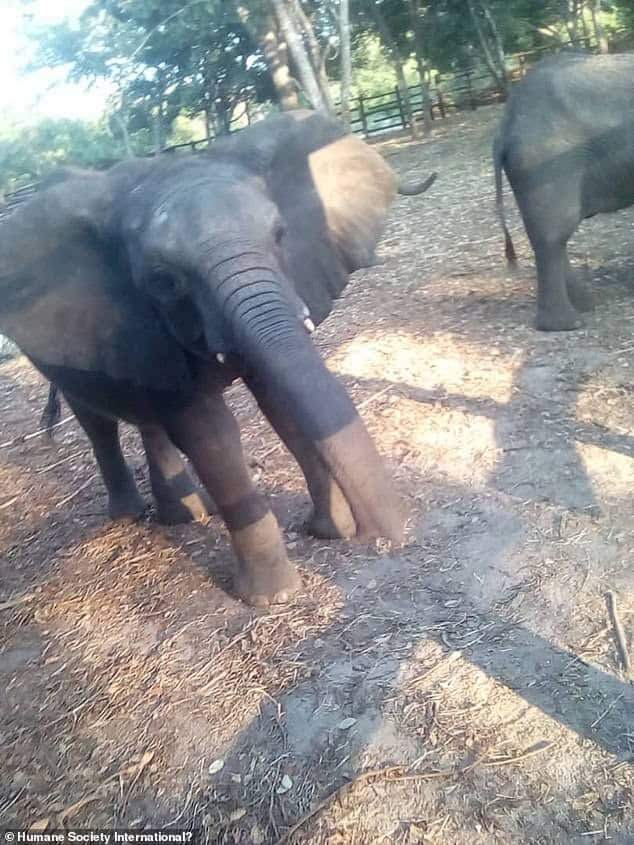
Zimbabwean officials defend the sales, citing overpopulation and human-elephant conflicts. Tinashe Farawo, a spokesperson for Zimbabwe’s Parks and Wildlife Management Authority, explained, “We have 84,000 elephants, but only the capacity for 50,000.” With elephants causing deaths and devastating crops, Farawo emphasized the need to manage the growing population. “We need to rescue people from the elephants,” he stated.
Botswana, which has the world’s largest elephant population, echoes Zimbabwe’s stance. Botswana recently lifted a ban on elephant hunting, citing similar reasons for managing its 130,000 elephants.
President Mokgweetsi Masisi of Botswana sharply criticized Western conservationists for their stance, calling their opposition to elephant sales and hunting “racist” interference. He argued that these critics ignore the realities faced by African nations, where elephants threaten human lives and livelihoods.
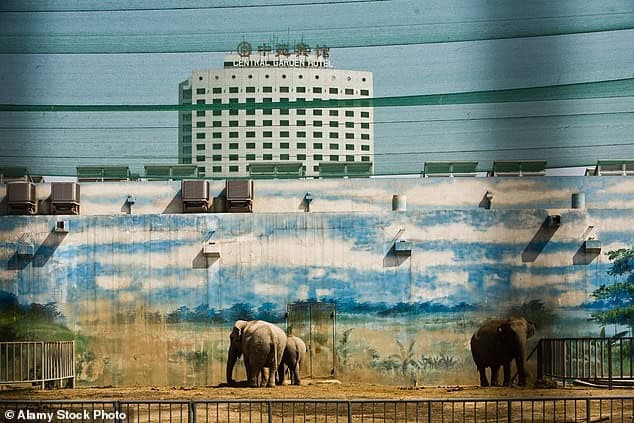
Namibia’s President Hage Geingob also condemned Western influence, pointing out that countries criticizing Africa had decimated their wildlife populations long ago.
At the upcoming CITES summit, Zimbabwe, Botswana, and Namibia—home to 60% of Africa’s elephants—will argue for the right to sell government-held ivory stocks accumulated from natural elephant deaths.
Zimbabwe estimates that selling these stocks could raise £300 million over the next two decades to fund wildlife management and address human-elephant conflicts.
The ivory trade is a sensitive topic. Africa’s elephant population, once a million strong, has been reduced to around 400,000, with poaching for ivory playing a significant role in the decline.
Although China recently banned its domestic ivory trade, illegal markets persist in Thailand, Laos, and Vietnam.
Conservationists warn that allowing Zimbabwe to sell its ivory stocks could open the door to more illegal poaching.
Prince William, patron of UK-based charity Tusk Trust, has been a vocal advocate for protecting African elephants.
Though he hasn’t commented on Zimbabwe’s current push to sell ivory, he has expressed concern that elephants could disappear from the wild within the next two decades.
But for many in Africa, elephants are seen less as endangered animals and more as a threat. In places like Botswana, elephants trample crops, destroy water systems, and sometimes kill villagers.
A recent attack left 78-year-old Ray Chumbo dead after he tried to scare off an elephant from his farm. Similar tragedies have occurred across the region, including attacks on children.
For Botswana’s President Masisi, the clash between elephants and people is a pressing issue. He accused Western critics of viewing elephants as “pets” and lecturing Africa from a place of privilege. “They sit in comfort and tell us what to do about a species they don’t live with,” he said.
The practice of capturing and exporting young elephants is often brutal. After sedating the animals, officials use helicopters to separate them from their herds, leaving them isolated and vulnerable.
Though condemned by many, the process raises a difficult question: should elephant welfare take precedence over the survival of struggling human communities?
African nations like Zimbabwe and Botswana remain resolute in defending their right to manage their wildlife, even if it means selling elephants abroad.
Read more Elephant News.


